- Your cart is empty
- Continue Shopping

Uncategorized
These 7 Bourbons Under $120 Just Won Major Awards
-
By Bourbon Bridge
- Posted on
- 0 comments
What if the world’s best bourbon costs just $40? The World Whiskies Awards 2026 results reveal seven winners that prove quality doesn’t always demand a premium price.
These 7 Bourbons Under $120 Just Won Major Awards
Bourbon has become harder to pin down in recent years. Prices have crept up, certain bottles have drifted out of reach, and the gap between retail and what people actually pay can be significant. It is not always obvious where genuine value still sits. 7 Bourbons.
The results of the World Whiskies Awards 2026 offer a useful reset. Judged blind and across categories, they highlight bottles that perform on quality first. What stands out this year is how many of those winners are still relatively accessible, at least on paper. 7 Bourbons.
This comes with a caveat. Prices vary widely depending on where you are in the US, and availability is not consistent across all seven bottles. But if you do come across them close to these ranges, they are worth a closer look. 7 Bourbons.
New Riff Bottled-in-Bond Kentucky Straight Bourbon
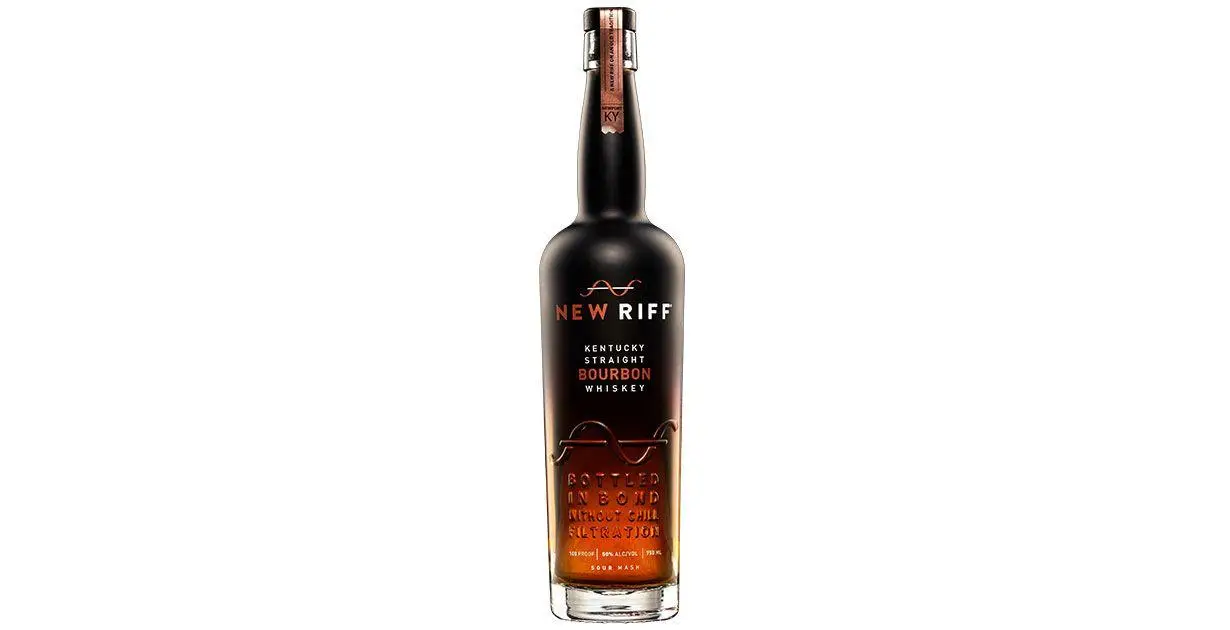
The simplest way to frame this is also the most surprising. One of the most affordable bottles on this list was named the world’s best bourbon, which immediately raises the question of what it is doing differently. 7 Bourbons.
Part of the answer lies in how deliberately it sticks to its structure. Made by New Riff Distilling in Newport, it follows bottled-in-bond rules and uses a high-rye mash bill, which brings a firmer, spicier profile than many softer Kentucky styles. 7 Bourbons.
Maturation plays a quiet but important role here. The whiskey is aged for at least four years in 53-gallon new charred oak barrels, giving it enough time to develop depth without overoaking.7 Bourbons.
At the World Whiskies Awards, the panel described “lemon zest and butterscotch on the nose; a bright palate with cinnamon, caramel, fresh fig, vanilla cookie, sweet pastry, dried leather, pumpernickel rye, corned beef and brine; a warm and sweet finish with caramel, lemon peel, crumb cookie and coffee.”
At around $40 to $45, it is not positioned as a special release or a limited product. It just happens to be very well made, which in this case was enough. 7 Bourbons.
New Riff’s triumph at the World Whiskies Awards is interesting in part because of the relative newness of the operation. Founded in 2014 in Newport, Kentucky, its adherence to BIB regulations and open fermentation processes has quickly established itself as a powerhouse new wave distillery. 7 Bourbons.
Maker’s Mark 46
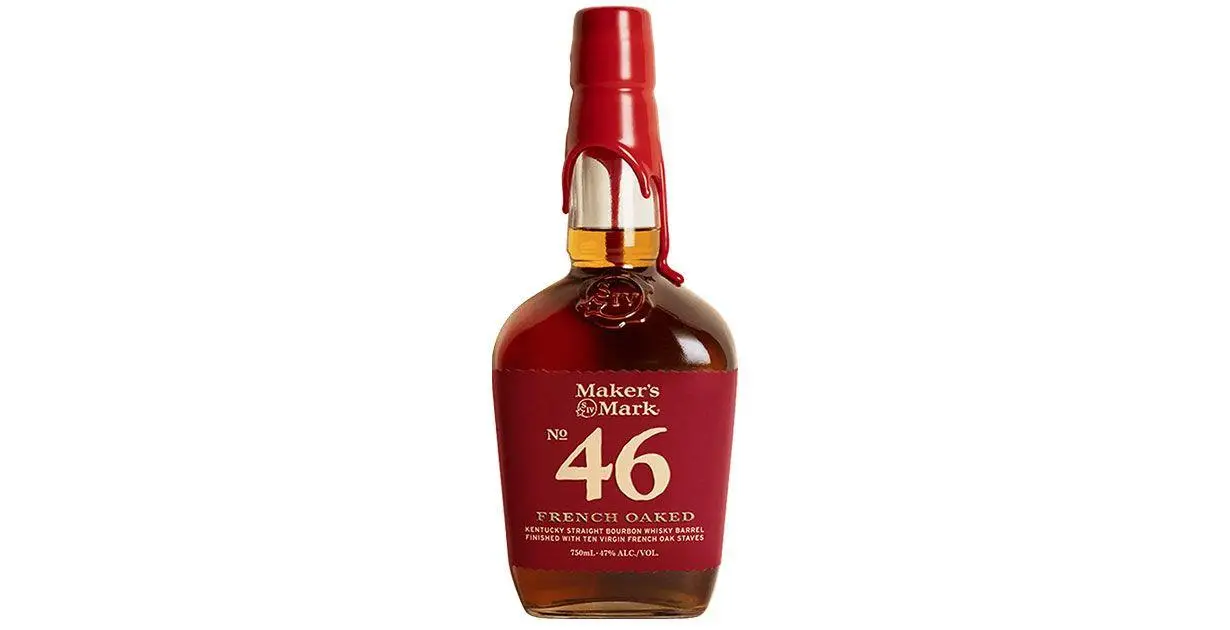
Maker’s Mark 46 takes the standard Maker’s Mark expression and adds a French oak twist.
Produced at Maker’s Mark Distillery, it starts with the distillery’s wheated recipe, aged in new charred oak for several years before being finished with ten seared French oak staves. The barrels are then returned to a controlled environment for a secondary maturation period, where that extra wood contact adds structure and spice without losing the softer character created by the wheat. 7 Bourbons.
Maker’s Mark 46 was named World’s Best Finished Bourbon at the World Whiskies Awards 2026. The panel highlighted “French oak, caramel, baking spices, vanilla, velvety,” which reflects both the underlying sweetness and the added influence of the finishing. 7 Bourbons.
I am not sure there is much of a value argument to make here, and that is part of the point. Maker’s Mark is already a known quantity, and the 46 builds on that without changing the price dramatically. 7 Bourbons.
At around $30 to $40, it sits in a very competitive part of the market. It is widely available, reliable, and now award-winning, which is about as much as most people need. 7 Bourbons.
E.H. Taylor Jr. Small Batch
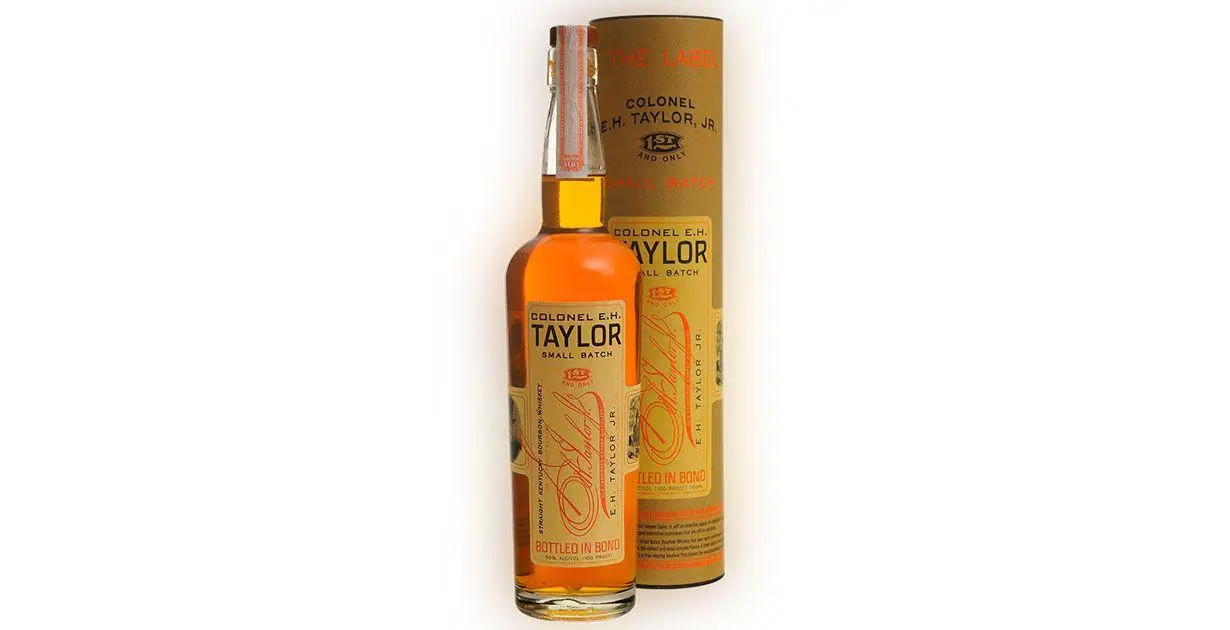
This is probably the most complicated bottle on the list when it comes to value.
On paper, it sits comfortably in the $60 to $80 range. In reality, it does not always stay there, and depending on where you are, it can be harder to find than anything else here. 7 Bourbons.
It was named World’s Best Small Batch Bourbon at the awards, which reflects how it performs in the glass rather than anything to do with price or availability. 7 Bourbons.
It has a sweet and traditional bourbon profile, but the oak, spice and weighty mouthfeel make it immediately more complex. It finishes with a warming Kentucky hug that lingers. The judges picked up on this mix of flavors, noting caramel corn and butterscotch alongside licorice, pepper, and tobacco. 7 Bourbons.
Produced by Buffalo Trace Distillery, it follows bottled-in-bond rules and uses the distillery’s low-rye mash bill #1. The whiskey is aged in historic warehouses, some dating back to the late 19th century, and that steady maturation tends to show in how the sweetness is kept in check. 7 Bourbons.
I think this is where the value proposition becomes situational. If you find it near RPP, it makes complete sense. If not, other bottles on this list are easier to justify. 7 Bourbons.
Redemption Cognac Cask Finish
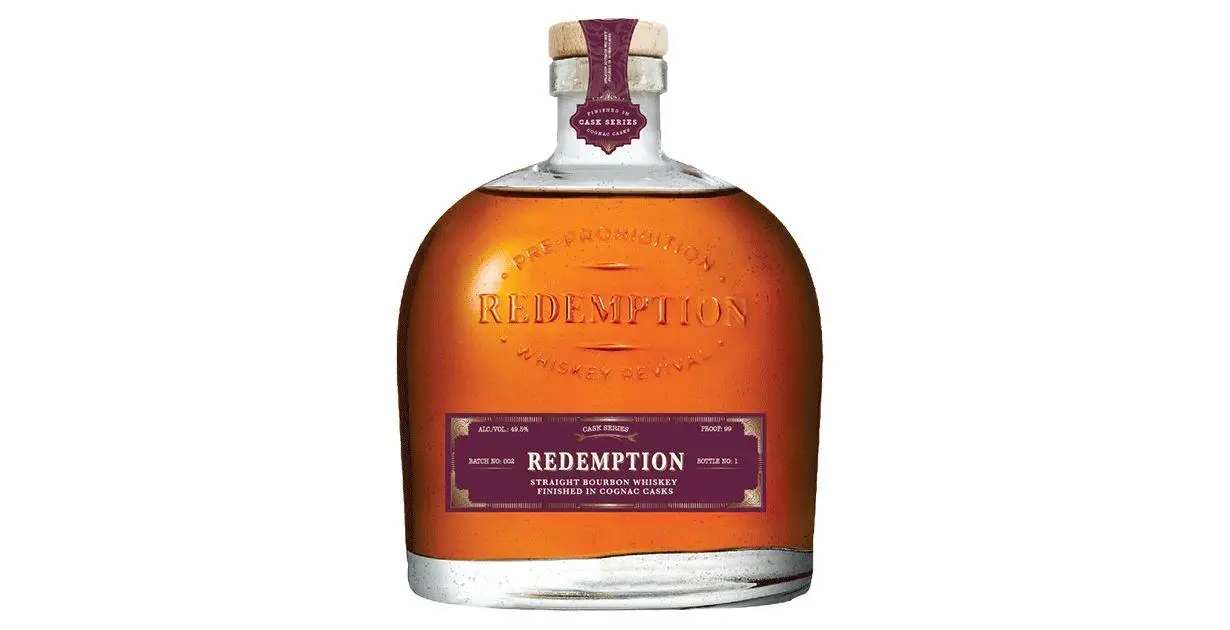
Bourbon finished in Cognac casks still feels like a slightly unusual choice, which is part of the appeal here.
This release from Redemption Whiskey starts with a high-rye bourbon distilled at MGP in Indiana, then spends additional time (around a year) in Cognac casks. This pulls the whiskey away from a straight caramel-and-vanilla profile and gives it a more floral, fruit-led feel. 7 Bourbons.
The judges captured that shift well, noting “hibiscus, concord grape, clove, allspice, plum, peach preserves, spiced poached pear” before it settles back into more familiar territory with “French oak, buttered pecan, praline, baking spice.” It was named Best Finished Bourbon (Non-Kentucky).
I quite like where this sits. It doesn’t feel like a novelty finish, but it also does not try to behave like a traditional bourbon. At around $60 to $70, it offers something slightly different without drifting too far from what most people are looking for. So, if you’re looking a finished bourbon that stands out from the crowd without emptying your wallet, this is a good place to look.
Ole Smoky Popcorn Sutton Bourbon
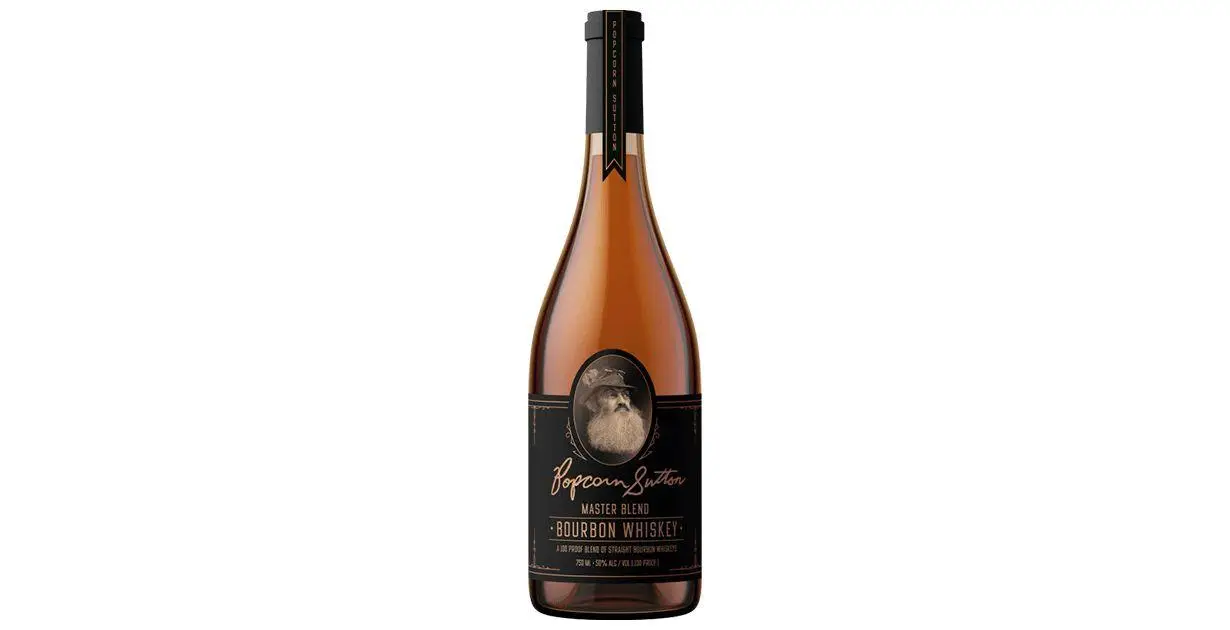
Popcorn Sutton’s name is closely tied to Appalachian moonshine, and that history still sits behind this release.
Produced by Ole Smoky Distillery, this gold medal-winning whiskey is a blend of straight bourbons sourced from Tennessee and North Carolina, bottled at 100 proof. It is not trying to recreate unaged corn liquor, but it does carry some of that influence in the way it presents itself.
In the glass, it sits in a fairly familiar place, with a mix of sweetness and spice that feels grounded rather than experimental.
The judges described “taffy, vanilla and pecan on the nose,” followed by “ripe fruit, dried leather, orange candy, sassafras, cinnamon discs, butterscotch and oak,” which gives a sense of how it moves from sweeter notes into something a bit drier and more spiced.
Availability is worth noting. It is not always widely distributed, and you are more likely to come across it in certain regions or at the distillery itself. If you do see it around the $50 to $60 mark, it holds up as a solid, mid-range bourbon.
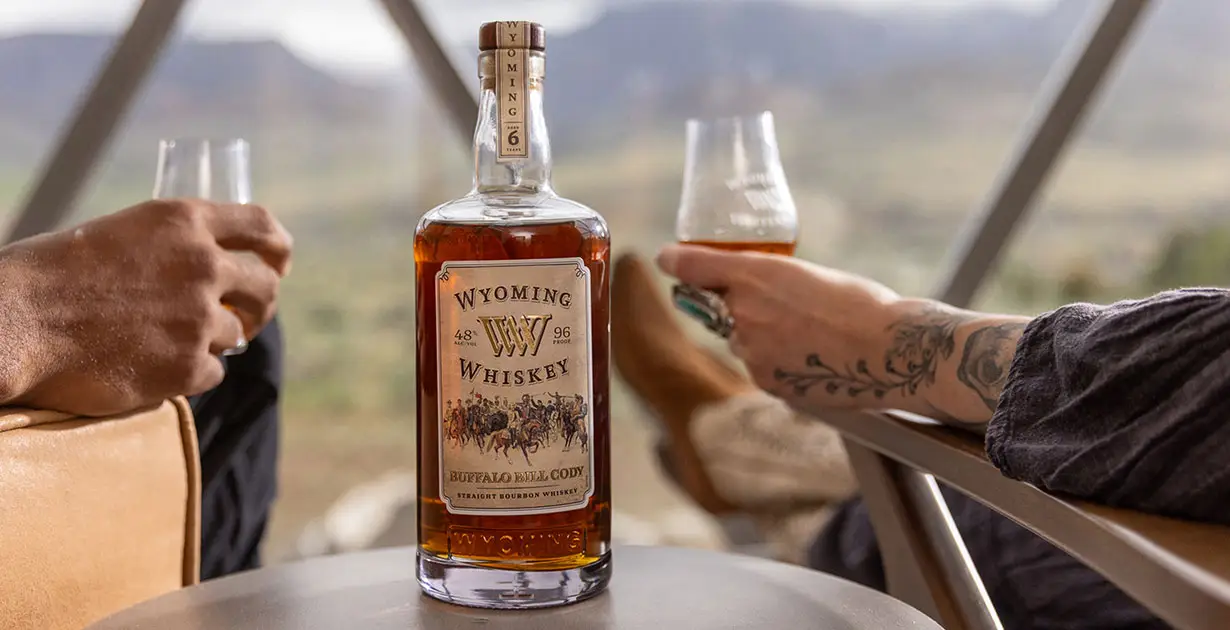
Wyoming Whiskey Buffalo Bill Cody
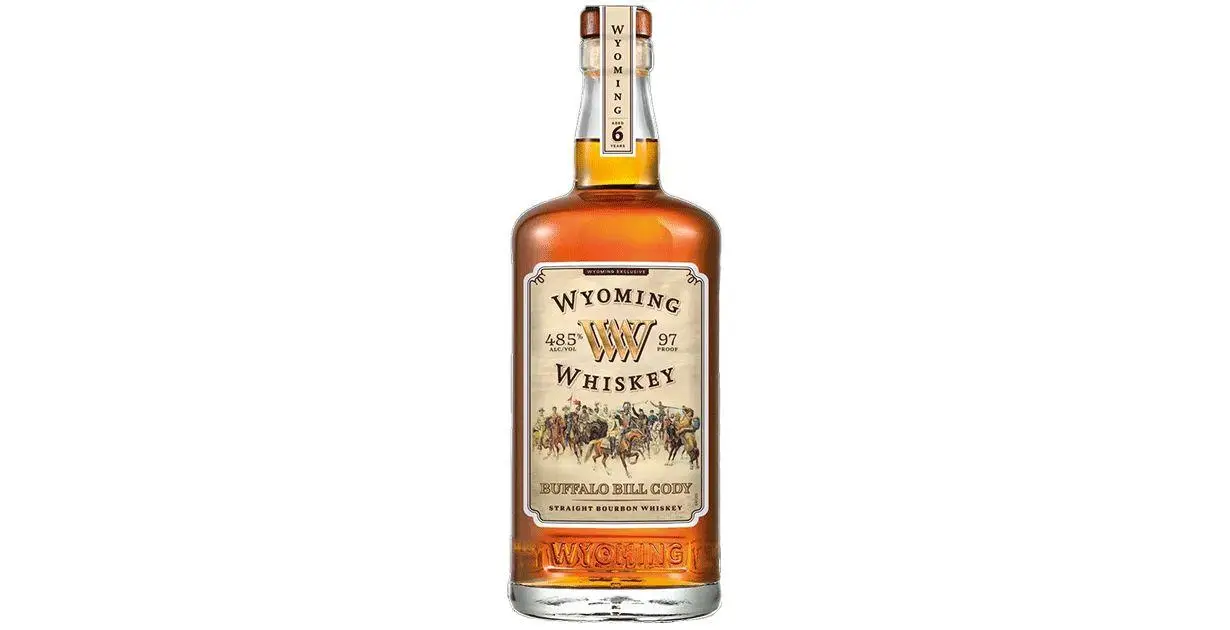
This is one of the few bottles on the list that feels shaped as much by where it is made as how it is made. Wyoming Whiskey Buffalo Bill Cody was named Best Small Batch Bourbon (Non-Kentucky) at the World Whiskies Awards 2026.
Wyoming Whiskey produces this whiskey in Kirby, using local grain and water, with maturation influenced by much wider temperature swings than you would see in Kentucky. That sense of place runs through almost everything the distillery does, and shows up in how the whiskey develops, with the climate pushing it deeper into the wood over time.
The judges at the World Whiskies Awards picked up on that weight and character, noting “leather, black forest cake, toffee, honeyed almonds, lemon cake, caramel nougat” before it moves into “milk chocolate, almond brittle, cherry and lemon puree, candied ginger, molasses, tobacco.”
The name ties it back to William F. Cody, better known as Buffalo Bill Cody, a 19th-century frontiersman and showman who helped shape the popular image of the American West, further giving a true sense of Wyoming to the whiskey.
I have spoken to Kate Mead about this before, and it is a theme that comes up repeatedly. The focus is on making something that reflects Wyoming first, rather than trying to replicate Kentucky.
At around $80 to $90, it is not the cheapest bottle here, but it does offer something that feels distinct.
Presidential Dram 2 Term Single Barrel (8 Year)
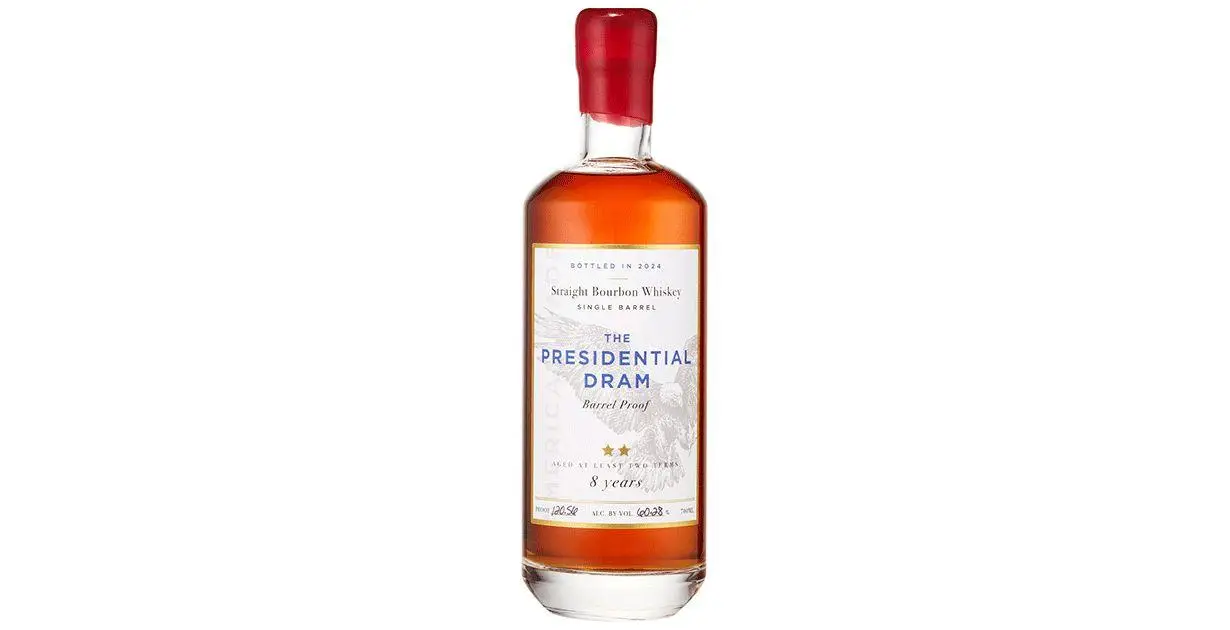
An 8-year age statement, single barrel selection, and barrel proof presentation is not a combination you often find sitting just under $120, which is part of what makes this bottle interesting.
Released by Proof & Wood, it is sourced from MGP in Indiana and bottled without chill filtration or dilution. Each barrel is left to speak for itself, so there is some variation from one release to the next, which is part of the appeal. The whiskey was named Best Single Barrel Bourbon.
That depth comes through in the judging. The panel pointed to heavy charred oak, dense vanilla, and dark syrup notes, with enough balance to carry the higher proof without it becoming overwhelming.
There is not much window dressing around this one. It is simply well-aged bourbon, selected and bottled with minimal interference. At around $90 to $115, it does not feel inexpensive, but when you compare it to similar single barrel, barrel proof releases, it sits in a slightly more accessible part of the category.
What This Actually Tells You
These bottles do not follow a single pattern. Some are traditional bottled-in-bond releases, others rely on finishing or blending, and a couple come with real caveats around availability depending on where you are.
What they do have in common is that they performed well in a blind tasting environment at the World Whiskies Awards 2026. Price and reputation were not part of that process, which makes the results, and the fact that many award-winning bourbons are still relatively accessible, even more compelling.
I do not think this completely settles the question of value. There are still bottles here, like E.H. Taylor, where finding it at retail is not guaranteed. But there are also clear examples, like New Riff and Maker’s 46, where quality and accessibility still line up.
If anything, it is a reminder that good bourbon is still out there at sensible prices. It just is not always the bottle everyone is talking about.
