- Your cart is empty
- Continue Shopping

Uncategorized
The Worlds Best Bourbons According To The World Whiskies Awards 2026
-
By Bourbon Bridge
- Posted on
- 0 comments
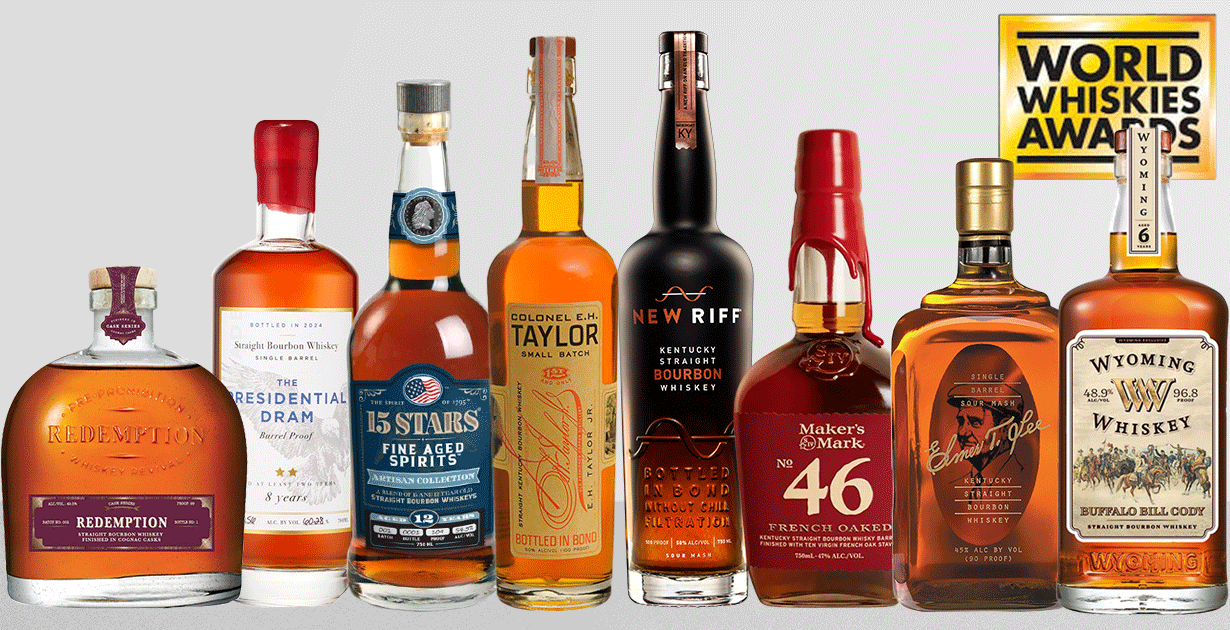
Which bourbon beat them all to claim the Worlds Best title at the 2026 World Whiskies Awards? Here’s every winner and what makes each bottle stand out.
The Worlds Best Bourbons According To The World Whiskies Awards 2026
Each year, the World Whiskies Awards brings together a wide range of producers and styles, with winners selected across categories that reflect how diverse modern bourbon has become. Worlds Best.
The 2026 results span established Kentucky distilleries, newer independent producers, and non-Kentucky brands working with sourced or contract-distilled whiskey. There is no single production style that defines the list. Instead, it includes Bottled-in-Bond releases, finished bourbons, single barrels, and small batch expressions. Worlds Best.
That variety makes it a useful cross-section of how bourbon is being made today.
Below, we look at the best bourbons from each World Whiskies Awards category in turn, focusing on how it is produced, who is behind it, and the context behind the release. Worlds Best.
New Riff Bottled-in-Bond Kentucky Straight Bourbon Whiskey
Award: World’s Best Bourbon, Best Bourbon (Kentucky)
Tasting Notes: Butterscotch, oak, vanilla, rye spice, mint, dark berry, cinnamon, clove, white pepper
Find Your Next Bottle: $37
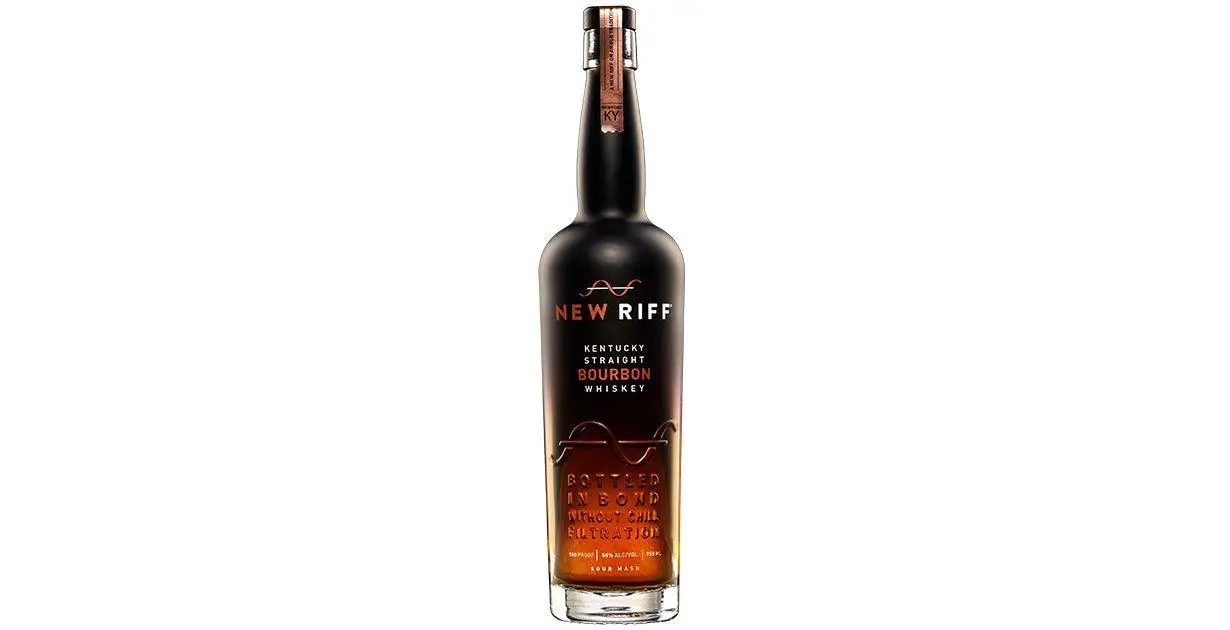
Produced by New Riff Distilling, this is a high-rye, Bottled-in-Bond bourbon that reflects a very deliberate production approach. The distillery was founded in 2014 in Newport, Kentucky, with a focus on traditional methods applied with modern precision. Worlds Best.
The mash bill sits firmly in the high-rye style at 65% corn, 30% rye, and 5% malted barley.
Production follows a sour mash process, with fermentation lasting around four days. Water is sourced from a deep aquifer beneath the distillery, and the whiskey is matured in full-size 53-gallon barrels for a minimum of four years to meet Bottled-in-Bond requirements. It is bottled at 100 proof and without chill filtration. Worlds Best.
It is also widely available at a relatively accessible price point. Of course, the judges did not know this. However, its affordability is an added bonus for consumers. Worlds Best.
New Riff is a family-owned and led operation with a penchant for complete transparency. According to the brand, this independence gives them the freedom to chase absolute quality, with most of the distillery’s portfolio adhering to Bottled-in-Bond regulations. Worlds Best.
New Riff’s flagship now claims the title of World’s Best Bourbon, thanks to the World Whiskies Awards.
15 Stars Artisan Collection
Award: Best Bourbon (non-Kentucky)
Tasting Notes: Maple, caramel, orange citrus, black cherry, plum, apple, nutmeg, cracked pepper, tobacco, oak, hay, vanilla, old leather, prune, raisin, dark chocolate, roasted nuts
Find Your Next Bottle: $170
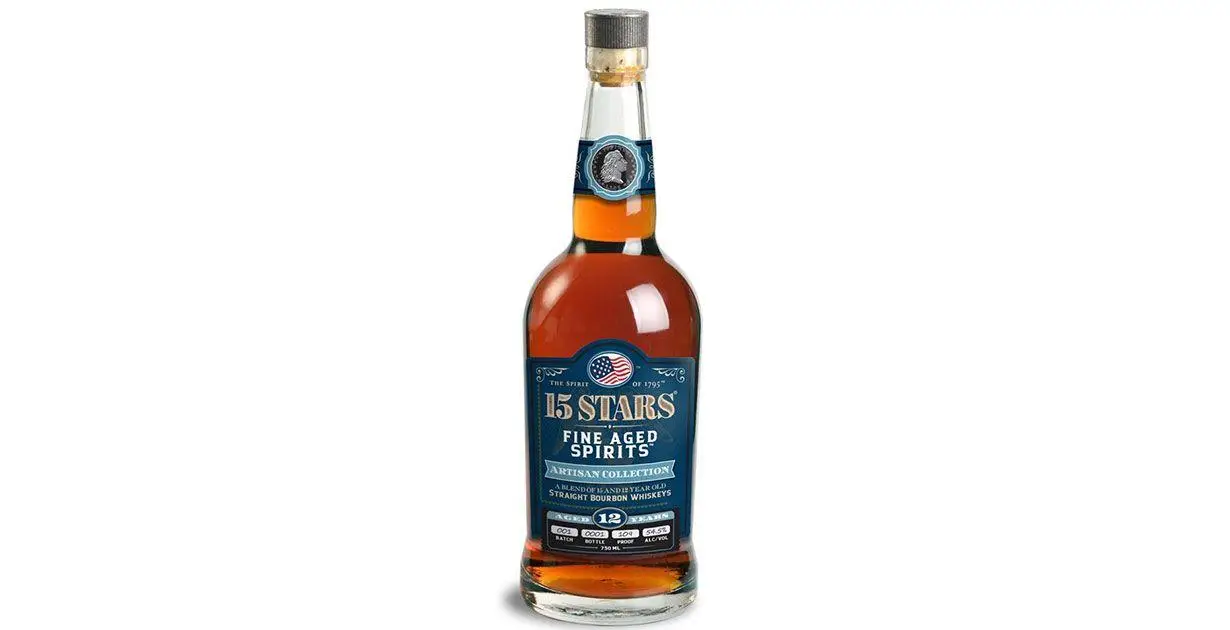
15 Stars is not a traditional distillery. It operates as a blending-focused brand, sourcing mature whiskey and building releases through careful selection and combination rather than distilling everything in-house. Worlds Best.
The Artisan Collection is built from older straight bourbons, reported as a blend of 12 and 15-year-old stocks sourced from Kentucky and Indiana. While the exact mash bills are not disclosed, the components are described as high-corn bourbons. Worlds Best.
Alongside its sourcing program, 15 Stars has worked with Bardstown Bourbon Company to distill future stock under contract. That gives the brand more control over mash bills and maturation for releases further down the line. Worlds Best.
This is a limited release, with outturns reported at just over a thousand bottles. The concept draws on early American history, referencing the 15-star flag and Kentucky’s place as the 15th state. Worlds Best.
Still a relatively young brand having been established in 2019 by father-and-son Rick and Ricky Johnson, 15 Stars has a huge number of accolades under its belt. Now, they can add this one to the list. Worlds Best.
Maker’s Mark 46
Award: World’s Best Finished Bourbon, Best Finished Bourbon (Kentucky)
Tasting Notes: French oak, caramel, baking spices, vanilla, velvety
Find Your Next Bottle: $38
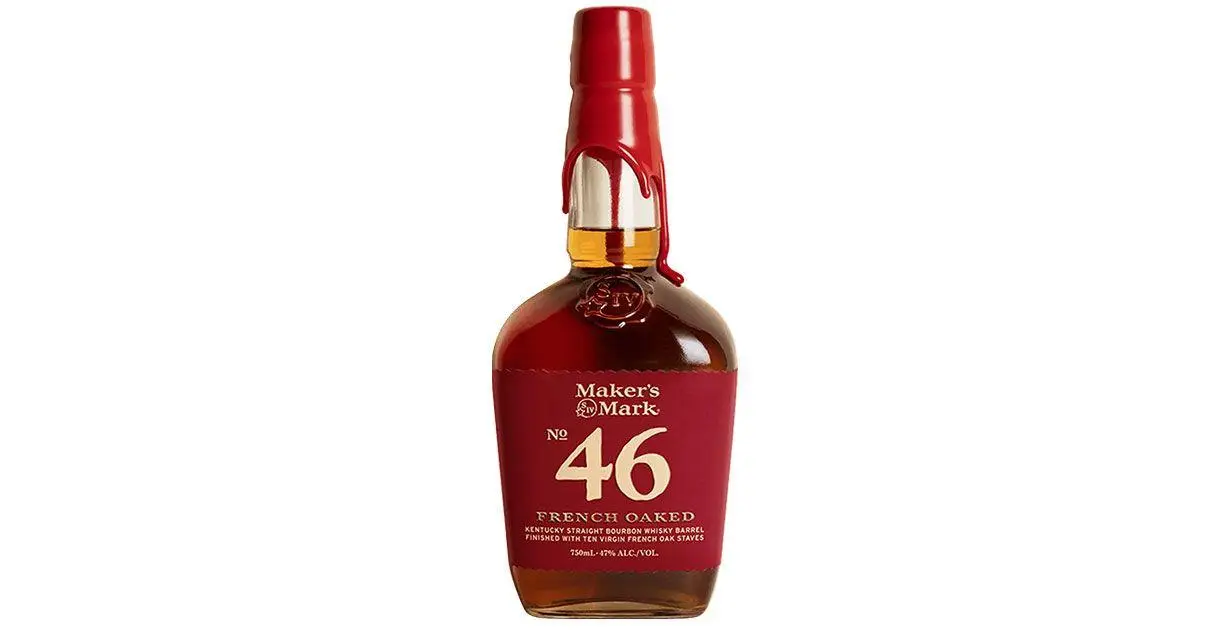
Maker’s Mark Distillery has built its identity on a wheated bourbon style, and Maker’s Mark 46 develops that foundation through a specific wood-finishing process. Worlds Best.
The base whiskey uses a mash bill that replaces rye with red winter wheat. Production relies on limestone-filtered water and a long-established proprietary yeast strain. Fermentation typically lasts three to four days in cypress vats before distillation in copper stills. Worlds Best.
Maturation takes place in new charred American oak barrels, with the whiskey aged to flavor rather than a fixed age statement, often around six to seven years. Worlds Best.
The defining step comes after this stage. Ten seared French oak staves are inserted into the barrel, and the whiskey is returned to a limestone cellar for additional maturation. This allows the distillery to control how the wood interacts with the whiskey over a set period. Worlds Best.
The result is a bourbon shaped as much by its finishing method as its original recipe. The unusual finishing practice paid dividends. Worlds Best.
Maker’s Mark 46 is a long-time staple in the distillery’s range. It debuted in 2010 as the first new major expression in the lineup since Maker’s Mark original was released in 1958. Worlds Best.
Redemption Cognac Cask Finish
Award: Best Finished Bourbon (non-Kentucky)
Tasting Notes: Hibiscus, concord grape, clove, allspice, plum, peach preserves, spiced poached pear, French oak, buttered pecan, praline, baking spice
Find Your Next Bottle: $67
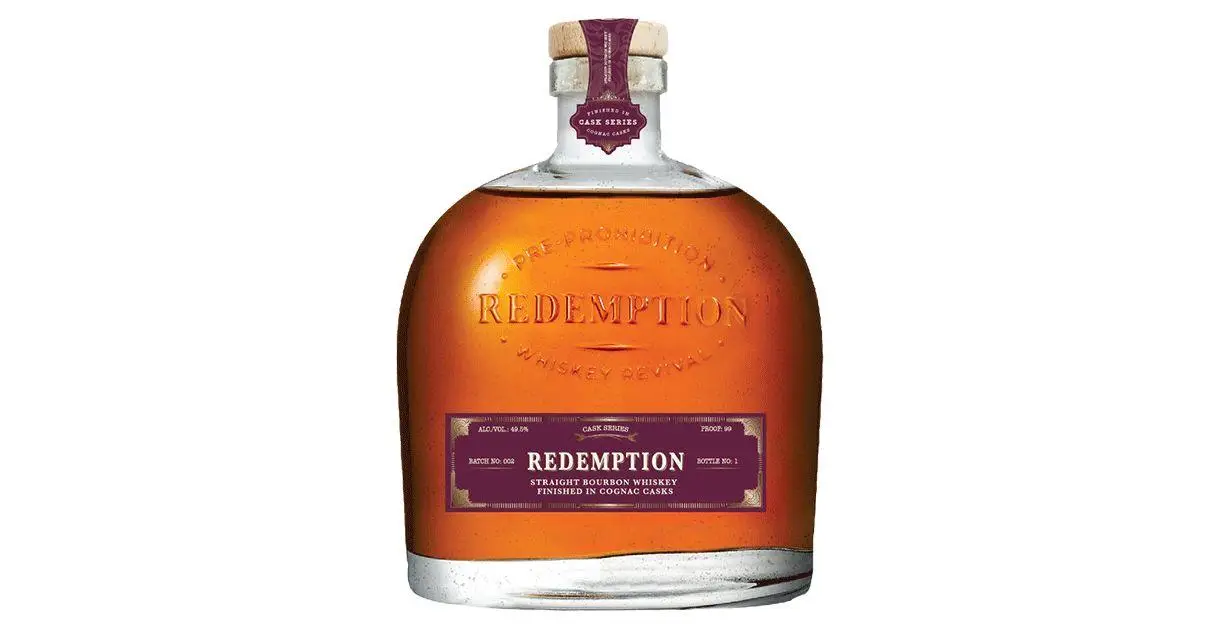
Redemption Whiskey operates as a sourced whiskey brand, with distillation carried out by MGP in Indiana and blending and bottling handled by Redemption. The Cognac Cask Finish builds on its established high-rye bourbon style.
The mash bill is 60% corn, 36% rye, and 4% malted barley, which gives the whiskey a more spice-driven structure than many traditional bourbons. The base spirit is aged in new charred American oak barrels before entering a secondary maturation phase in Cognac casks.
Those finishing casks are often well-seasoned, and the whiskey is typically left in them for an extended period, reported at around a year. The finishing process introduces a different layer of oak influence and reflects the interaction between American bourbon and French brandy cask traditions.
This release sits within Redemption’s limited and experimental range, where cask selection and finishing define the final profile.
Dave Schmier, the founder of Redemption Whiskey, has no qualms about sourcing whiskey. He even coined the slogan “Sourcing is not a crime”. He told Unicorn Auctions in December 2025: “Sourcing takes on a lot of forms. We’re in this for the long haul, and I don’t like being lumped in with people who started a whiskey brand because it’s a hot thing and they heard they can make a lot of money doing it.”
Elmer T. Lee
Award: Best Single Barrel Bourbon (Kentucky)
Tasting Notes: Clove, vanilla, old leather, fruit, honey, spice
Find Your Next Bottle: $100
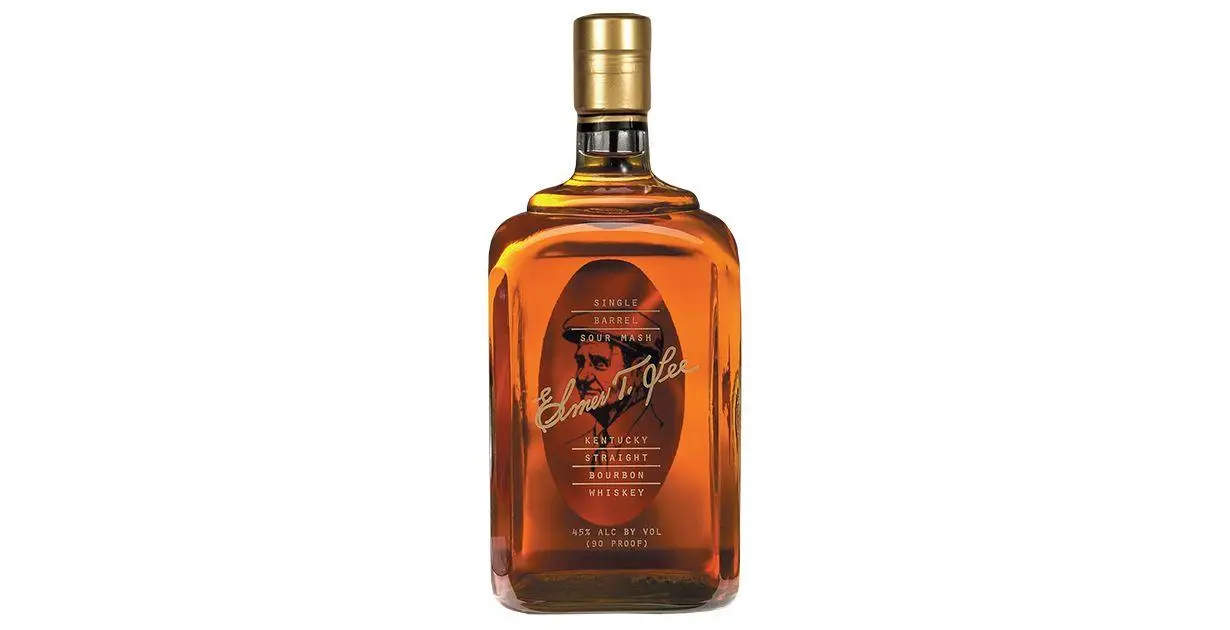
Produced at Buffalo Trace Distillery, Elmer T. Lee is closely tied to the history of single barrel bourbon in the United States. The whiskey is named after Elmer T. Lee, a long-time distillery figure who helped introduce the single barrel concept to a wider audience in the 1980s with the launch of Blanton’s Single Barrel Bourbon.
The production of Elmer T. Lee follows Buffalo Trace’s established methods. It uses limestone-filtered water, a sour mash fermentation process, and distillation through copper stills. The mash bill is not officially disclosed, but the whiskey is generally associated with Buffalo Trace’s higher-rye Mash Bill #2.
Each bottle is drawn from an individual barrel, so there is no batching to create consistency across releases.
Aging takes place in traditional brick or wooden rickhouses, where location and environment influence how each barrel develops over time.
Elmer T. Lee’s medal at the World Whiskies Awards 2026 is a fitting tribute to a bourbon pioneer.
Proof and Wood Presidential Dram 2 Term Bourbon
Award: World’s Best Single Barrel Bourbon, Best Single Barrel Bourbon (non-Kentucky)
Tasting Notes: Pecan, meat, cherry, tobacco, dark fruits, sugar
Find Your Next Bottle: $99.99
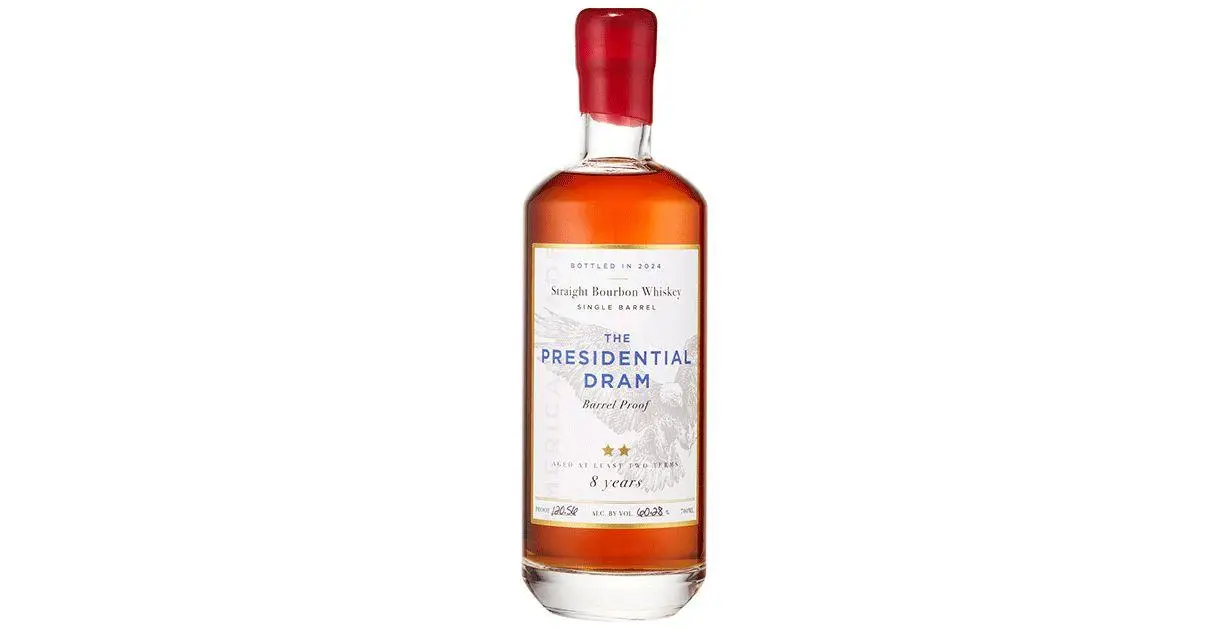
Another sourcing venture founded by Dave Schmier, Proof and Wood Ventures sources and bottles American whiskeys with a principal focus on two things: the proof it is bottled at, and the wood used for aging.
Presidential Dram 2 Term Bourbon is distilled at MGP Ingredients in Lawrenceburg, Indiana.
The mash bill is unusually corn-heavy at 99% corn and 1% rye. That composition is paired with a barrel entry proof of around 120, which sits at the upper end of typical bourbon practice. The whiskey is aged for a minimum of eight years in new charred oak barrels.
Each release is drawn from a single barrel and bottled at barrel proof. It is also bottled without chill filtration.
The “2 Term” name refers to the length of maturation, aligned with two U.S. presidential terms. The release is part of a broader series that uses political cycles as a framework for age statements and selection.
E.H. Taylor Jr. Small Batch
Award: World’s Best Small Batch Bourbon, Best Small Batch Bourbon (Kentucky)
Tasting Notes: Caramel corn, butterscotch, licorice, subtle spice, pepper, tobacco
Find Your Next Bottle: $70
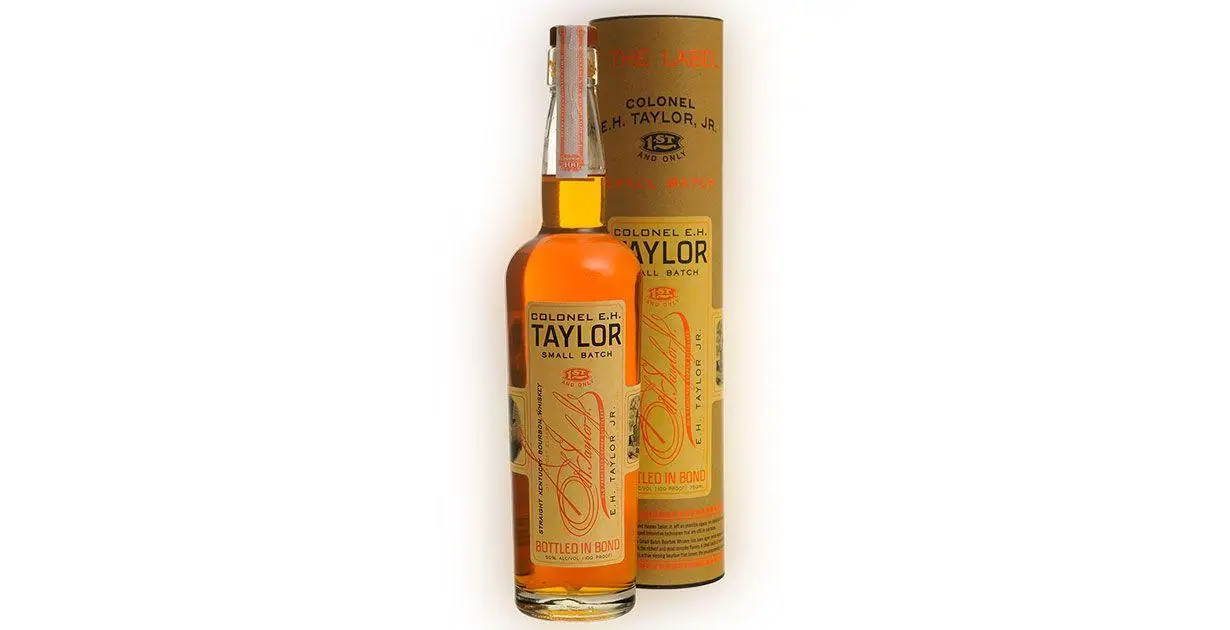
E.H. Taylor Jr. Small Batch is produced at Buffalo Trace Distillery and sits within an extensive range that celebrates the “father of the modern bourbon industry.” Colonel E.H. Taylor Jr. played a key role in shaping modern bourbon standards included the Bottled-in-Bond Act of 1897, and the brand reflects that legacy through its production approach.
This is a Bottled-in-Bond bourbon, which means it is aged for at least four years, produced in a single distilling season, and bottled at 100 proof. The mash bill is identified as Buffalo Trace Mash Bill #1, a low-rye recipe, though exact percentages are not disclosed.
Production follows the distillery’s established process, using limestone-filtered water, sour mash fermentation, and copper still distillation. The whiskey is aged in historic warehouses, including some originally built under Taylor’s supervision, where temperature management remains part of the maturation approach.
The small batch format brings together selected barrels to create a consistent profile across releases.
E.H. Taylor Jr. Small Batch is a beloved expression in the Buffalo Trace range, and is of consistent quality, evidenced by its multi-award-winning past.
Wyoming Whiskey Buffalo Bill Cody
Award: Best Small Batch Bourbon (non-Kentucky)
Tasting Notes: Leather, black forest cake, toffee, honeyed almonds, lemon cake, caramel nougat, milk chocolate, almond brittle, cherry and lemon puree, candied ginger, molasses, tobacco
Find Your Next Bottle: $81.99
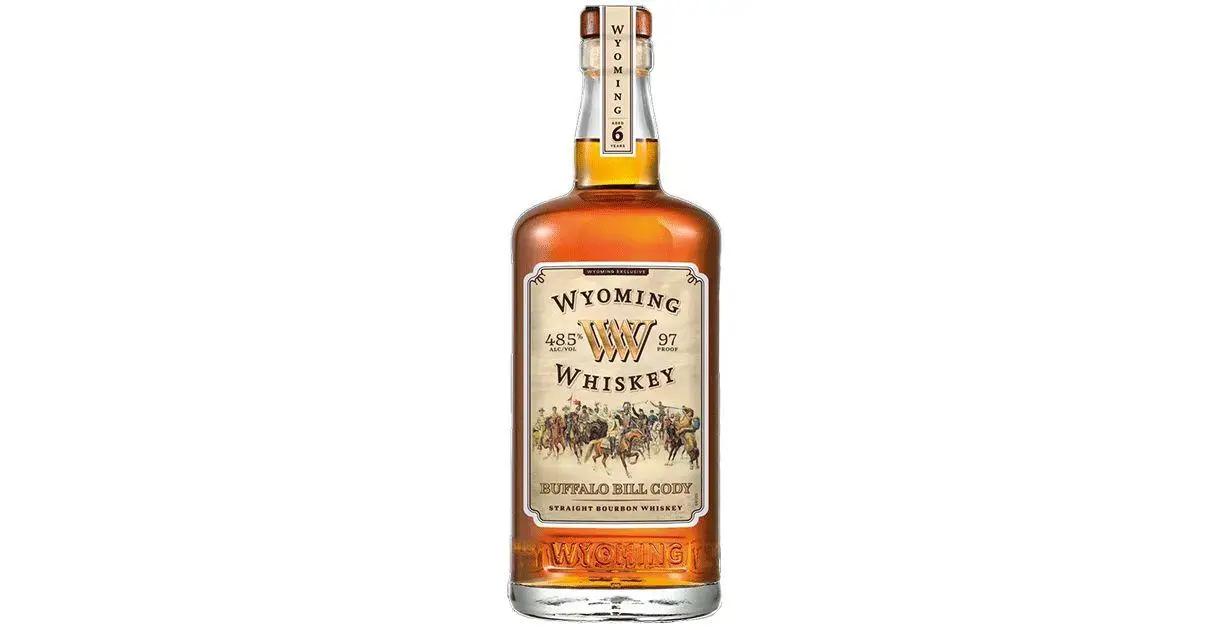
Wyoming Whiskey produces this bourbon in Kirby, Wyoming, with a focus on using local ingredients and a distinct maturation environment. The distillery was founded in 2009 and positions itself around a “made in Wyoming” identity, from grain to aging.
The mash bill follows a wheated style, typically reported at around 68% corn, 20% wheat, and 12% malted barley, although exact details are not always formally published. Grains are sourced locally, and water is drawn from the Madison Formation aquifer deep beneath the region.
Fermentation uses a combination of yeast strains to balance efficiency and flavor development. The whiskey is aged in new charred oak barrels for around six years, with maturation shaped by wide temperature swings that are more extreme than those found in Kentucky.
This release is a limited bottling, created as a tribute to William F. Cody, better known as Buffalo Bill. He was a 19th-century frontiersman, showman, and founder of Buffalo Bill’s Wild West show, which helped shape popular images of the American West. The whiskey sits within Wyoming Whiskey’s broader series of state-inspired releases, each tied to local history, people, or landscape.
What Do You Think?
This year’s winners cover a wide range of production approaches. Some lean into long-established methods, others focus on wood management or blending, and a few highlight how bourbon is evolving beyond Kentucky. There is no single path represented here, which is part of what makes the list worth exploring.
Have you tried any of these bourbons? Let us know which ones stand out to you, or if there is a bottle you think deserved a place here.
