- Your cart is empty
- Continue Shopping

Uncategorized
The Best Single Malts From Every Scotch Whisky Region According to The World Whiskies Awards 2026
-
By Bourbon Bridge
- Posted on
- 0 comments
Which single malt topped every Scotch whisky region at the 2026 World Whiskies Awards? From a £26 Speyside surprise to a new Islands distillery, the winners may shock you.
Best Malts
Scotland is divided into five official whisky regions, or six if you count the Islands separately. Each has its own identity, shaped by geography, production choices, and the distilleries that define it. Best Malts.
From the peat-heavy malts of Islay to the fruit-forward style of Speyside, these regions are often used as a guide to flavour. Best Malts. They are not strict rules, but they remain a useful way to understand how Scotch whisky is made and how it tastes. Best Malts.
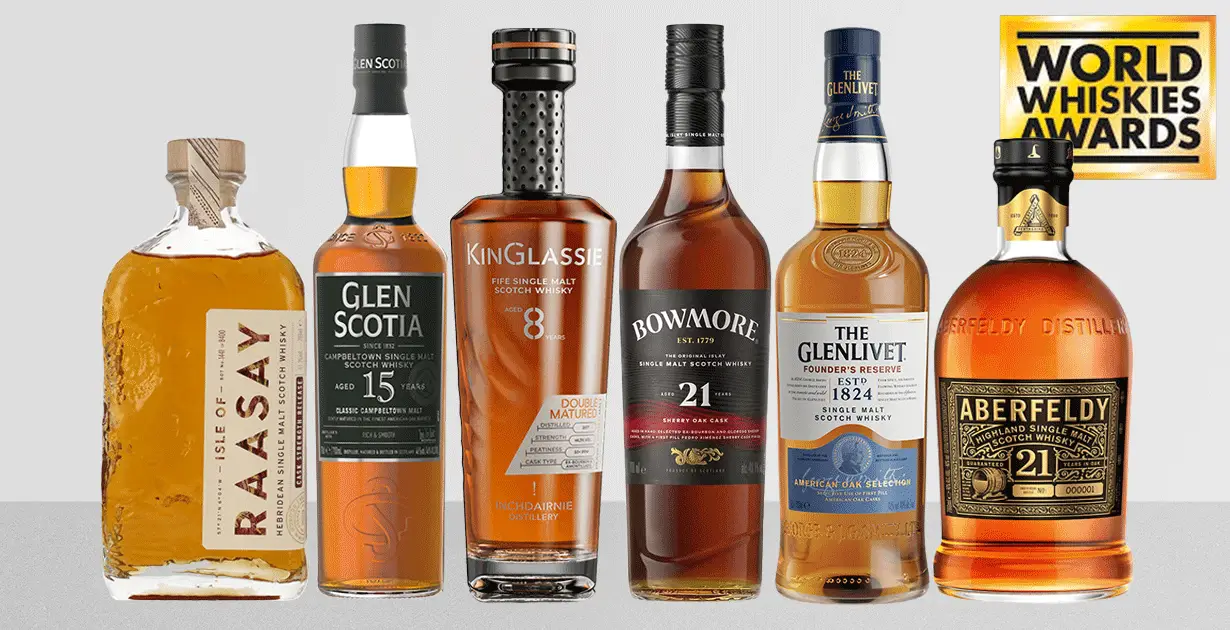
The 2026 World Whiskies Awards winners offer a way to explore that diversity, if you are so inclined. One whisky from each region, each made in a different way, by different people, and with different priorities.
This is a regional look at the best single malt Scotch whiskies of 2026 from each region, according to the World Whiskies Awards 2026. Best Malts.
Bowmore 21 Years Old Sherry Oak Cask
Award: World’s Best Single Malt / Best Scotch Islay Single Malt
Tasting Notes: “Super medicinal peat with TCP smoke with alcohol vapour. Palate balances medicinal peat, sweetness and warming winter spices into an evaporative finish.” – WWA Judges
Find Your Next Bottle: $336 / £269
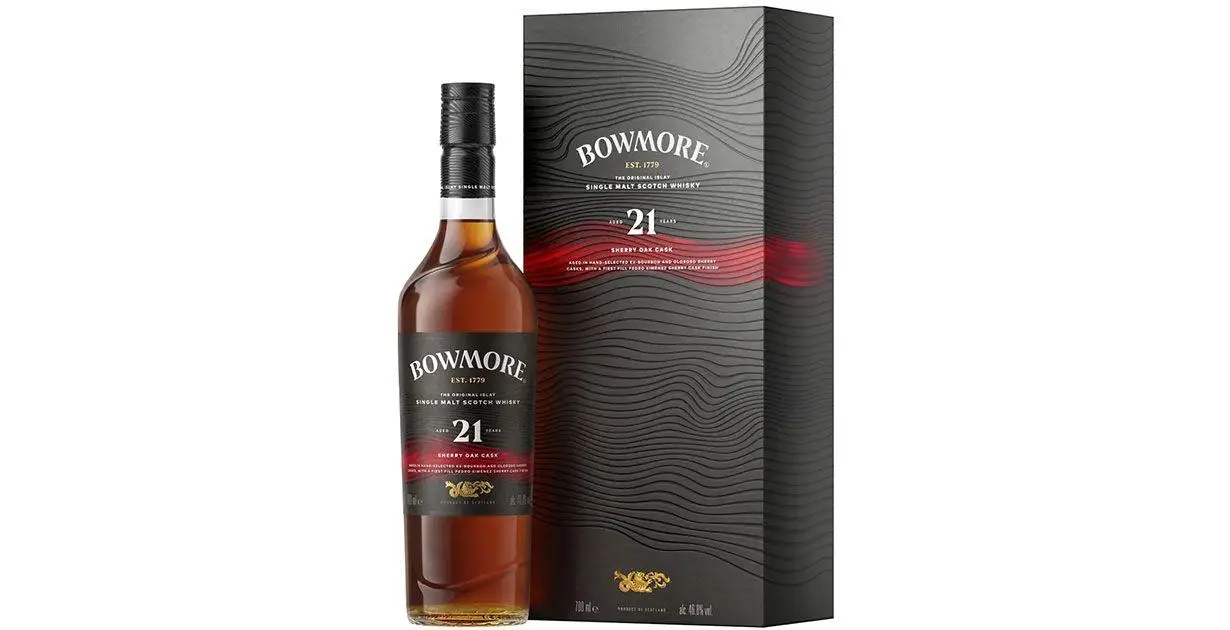
The 2026 winner of World’s Best Single Malt, and Best Scotch Islay Single Malt, is the Bowmore 21 Years Old Sherry Oak Cask. Best Malts.
Bowmore Distillery sits on the shores of Loch Indaal and is often described as one of the most balanced producers on Islay. The distillery still floor malts a portion of its barley, using peat smoke to introduce phenolic character before distillation. Best Malts
That approach tends to produce a softer style of Islay whisky. Smoke is present, but it is more gentle than you might expect from Islay. Instead, it works alongside fruit and cask influence. Best Malts.
This 21-year-old expression is built through layered maturation. The spirit is aged in ex-Bourbon and Oloroso sherry casks before a finishing period in Pedro Ximénez casks. The result is shaped as much by wood management as by peat. Best Malts.
Bowmore’s whisky making is under the direction of Master Blender Calum Fraser, who assumed the role after the departure of Ron Welsh. The 21 Year Old sits within the distillery’s Sherry Oak Collection, which showcases a different side of the distillery. Best Malts.
Islay is located off the west coast of Scotland, next to the Isle of Jura. It is typically known for heavily peated, smoky, and medicinal whisky. However, producers like Bowmore, Kilchoman, and Bunnahabhain challenge that perception. Best Malts.
Glen Scotia 15 Years Old
Award: Best Scotch Campbeltown Single Malt
Tasting Notes: “Soft cereal sweetness and crunchy nut cornflakes open with caramel, gentle wood smoke and ripe autumn fruit. The palate turns perfumed, with jasmine tea, lavender and rosewater drifting over Turkish delight, easing into a velvety, sweet and floral finish.” Best Malts.
Find Your Next Bottle: £62 / $79
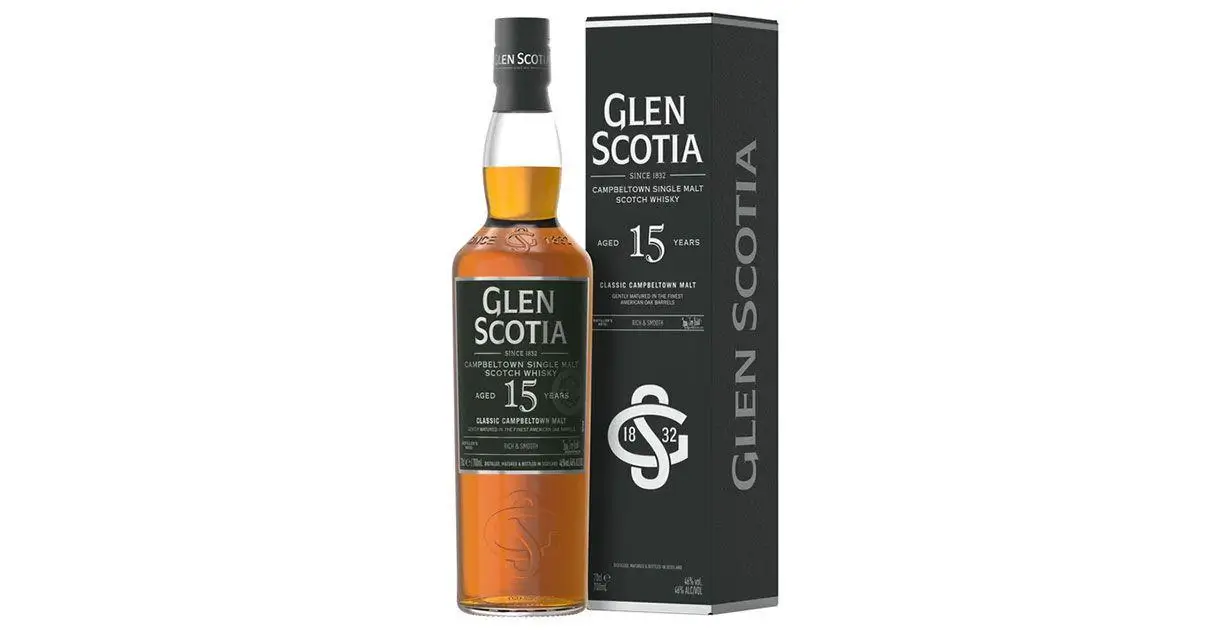
Campbeltown was once home to more than 30 distilleries, known as the Victorian Whisky Capital of the World. Today, just three remain. That scarcity has helped define the region’s identity, with a focus on characterful, coastal styles rather than a single uniform profile. Best Malts.
Glen Scotia Distillery has been part of that story since the 19th century. Much of the original infrastructure is still in use, and the distillery places emphasis on long fermentation and traditional double distillation.
The 15 Year Old is matured primarily in American oak casks, with a short Oloroso sherry finish. The intention is to add depth without overwhelming the distillery character. It is also bottled without peat influence, which allows the maritime notes and orchard fruit to come through more clearly. Best Malts.
Production is overseen by Master Distiller Iain McAlister and Master Blender Ashley Smith. This expression sits in the core range and is designed to reflect a consistent house style of coastal salinity and creaminess.
Aberfeldy 21 Years Old
Award: Best Scotch Highlands Single Malt
Tasting Notes: “Tangy kiwi, blackcurrant, fizzy apple sweets, and lemon sherbet dominate the vibrant nose with wax and chocolate. Palate mirrors blackcurrant, apple along with elderflower, honeycomb, raisin, fig and tropical fruit. Spicy, balanced, smoke-laced finish.”
Find Your Next Bottle: £160 / $180
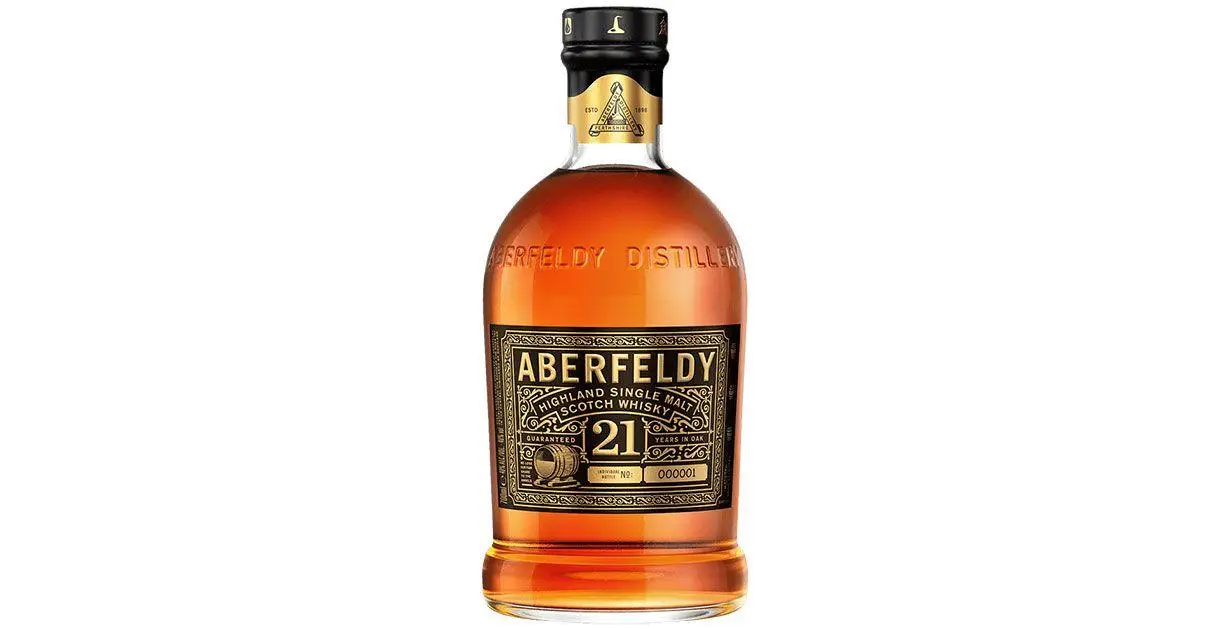
Aberfeldy Distillery was built in 1896 by John Dewar & Sons Ltd. Its primary role was to supply single malt for blends, and that purpose still shapes the distillery’s style today. Best Malts.
Located in the Highlands, Aberfeldy is known for a softer, honeyed profile. That character is developed through long fermentation and relatively tall stills, which help create a lighter, fruit-driven spirit. The water source, Pitilie Burn, is also central to the distillery’s identity. Best Malts.
The 21 Year Old is matured in a combination of cask types, including sherry, bourbon, refill, and re-char oak, built through blending across different cask styles. Best Malts.
Maturation and selection are overseen by Malt Master Stephanie Macleod, a multiple-time winner of Master Blender of the Year.
This expression is part of the core range, although the age and cask requirements mean availability is naturally limited. If you can find it at a good price, though, it is delicious.
The Highlands is generally accepted to stretch from Glengoyne Distillery, just south of Loch Lomond, all the way to the tip of north Scotland, with the Speyside whisky region carved out in the middle around the Cairngorms.
Isle of Raasay Distillery Cask Strength
Award: Best Scotch Islands (non-Islay) Single Malt
Tasting Notes: “Vanilla, light peat and a flinty, warehouse note contrast stewed plum and apple on the nose. More green apples on the palate, subtle, dusty spice and iodine peat, with gentle sweetness and earthy smoke carrying a long, even finish.”
Find Your Next Bottle: £55 / $69
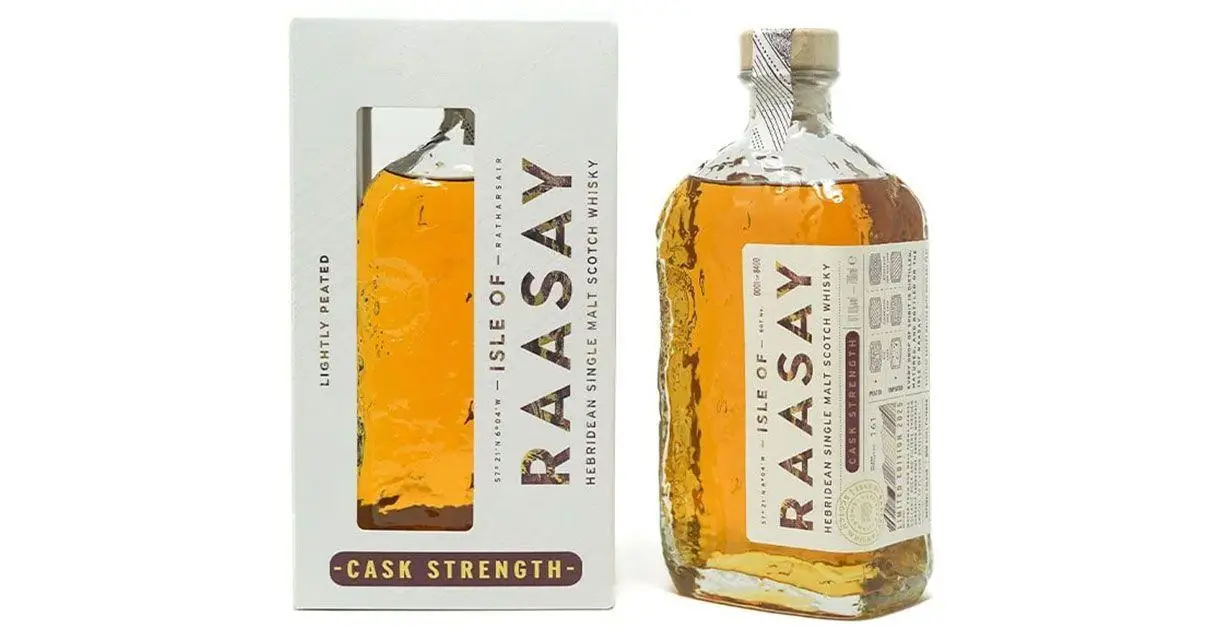
Isle of Raasay Distillery represents a very different side of Scotch whisky. Founded in 2017 on the Isle of Raasay, it is one of the newer distilleries to gain recognition at this level.
The production approach is unusually transparent. Separate peated and unpeated spirits are distilled, then matured individually before being combined. Fermentation times, cut points, and even cask ratios are disclosed for each release.
Maturation is built around a three-cask system. First-fill ex-rye whiskey casks, virgin Chinkapin oak, and Bordeaux red wine casks are used to shape the final whisky. The aim is to create balance through composition rather than relying on long ageing.
The distillery was founded by Alasdair Day and operates under R&B Distillers Limited. This cask strength release is bottled in small batches, with each edition showing slight variation.
Isle of Raasay Distillery’s win in this category beat out other single malts from islands such as Skye, Jura, Arran, and Mull.
InchDairnie KinGlassie Double Matured 8 Years Old
Award: Best Scotch Lowlands Single Malt
Tasting Notes: “Ashy with sweet sherry mingles with raspberry, orange oils, marmalade, toffee, and tart grains like rye bread. The mouth filling palate delivers breakfast cereal, chocolate raisins, and nutty toffee apple with a petrolic hint.”
Find Your Next Bottle: £75 / $94
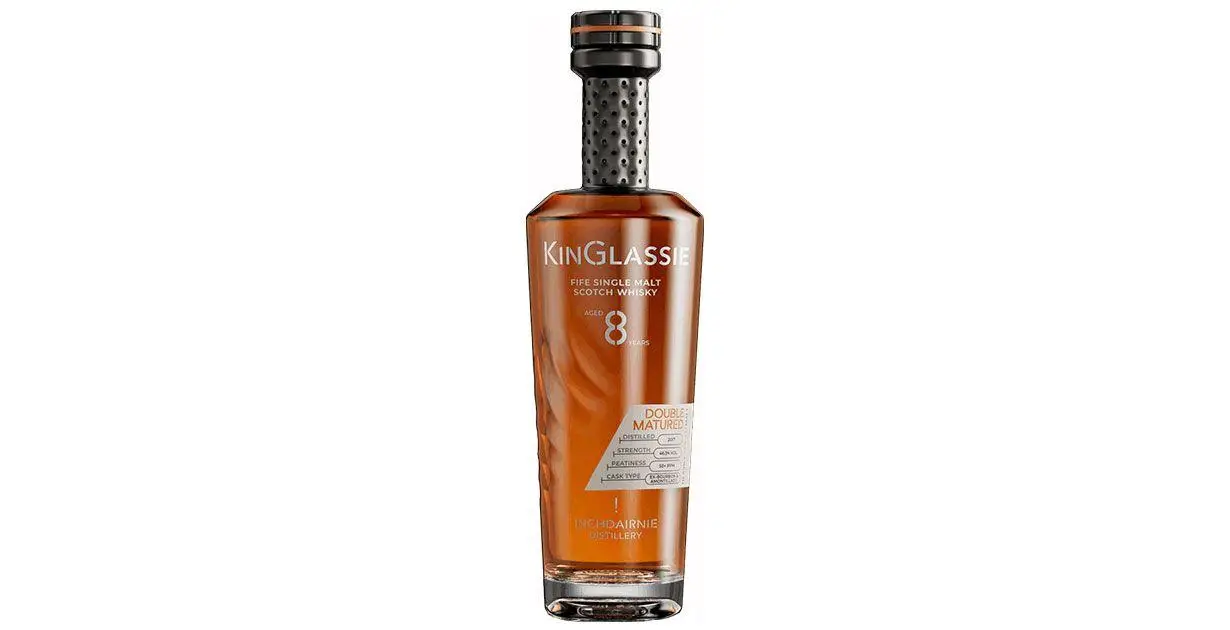
InchDairnie Distillery is a modern Lowland distillery with a very deliberate approach to flavour creation. Located in Fife, it sits within a region traditionally associated with lighter, unpeated styles. KinGlassie takes a different route.
The whisky is heavily peated, with malt specified at around 50ppm. Production is built around a mash filter system rather than a traditional mash tun, which allows for higher extraction and a different wort composition. Fermentation takes place outdoors and varies with the seasons.
KinGlassie is distilled only once a year, for a short period in December. It is then matured in two stages. First, in ex-Bourbon casks for five years. Then in Amontillado casks from Montilla for a further three years.
The distillery was founded by Ian Palmer. This release is produced as a vintage, with limited annual output.
The Glenlivet Founder’s Reserve
Award: Best Scotch Speyside Single Malt
Tasting Notes: “Red apples, pears, vanilla sponge cake and a hint of jam and white pepper on the nose. The palate has more red apples, poached pears, gentle spice wit boiled pear sweet drops and vanilla fudge.”
Find Your Next Bottle: £26 / $33
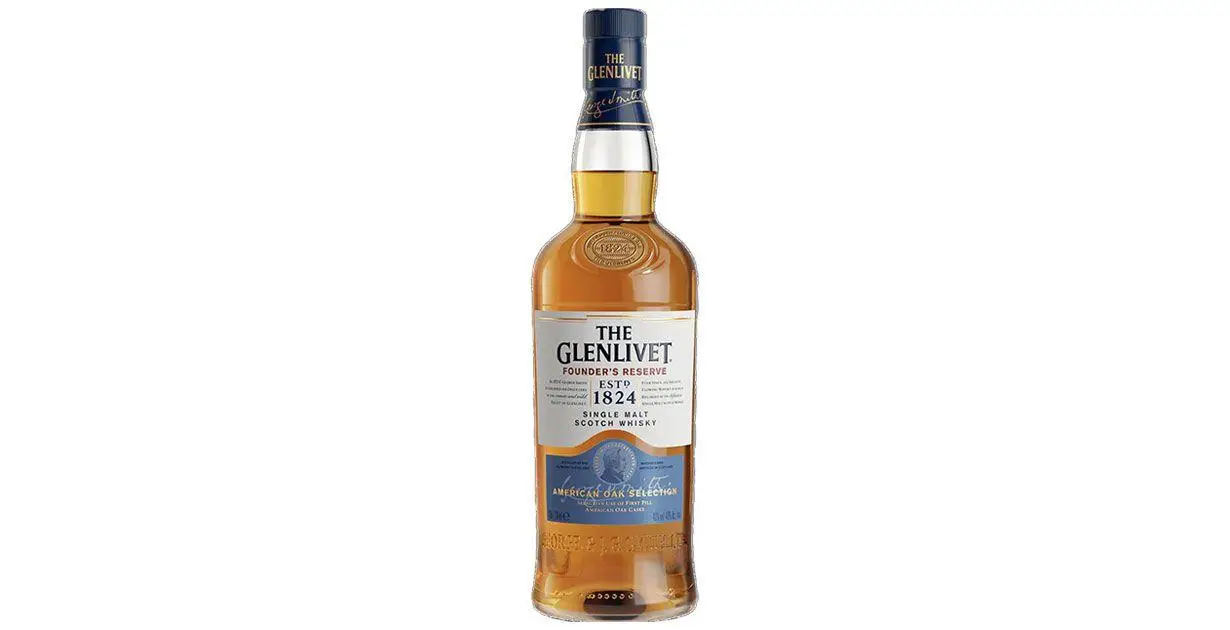
The Glenlivet Distillery is one of the defining names of Speyside, a region that contains the highest concentration of distilleries in Scotland. The style is often associated with fruit, sweetness, and a lighter use of peat.
Founder’s Reserve is a no-age-statement whisky created to reflect that house character. It is matured in a mix of traditional oak and first-fill American oak casks, which emphasise vanilla, orchard fruit, and a softer texture.
The distillery traces its origins to George Smith, one of the first to operate legally in the region. More recently, the expression was developed under Master Distiller Alan Winchester and is now produced as part of the wider portfolio of Chivas Brothers.
This is a core range whisky, designed for consistency and wide availability rather than limited release. Its win is certainly interesting, given that even within The Glenlivet range, there are more complex and highly regarded whiskies, such as the 15 Year Old. This time, though, approachability and lightness won out. This whisky is also hugely affordable. A big win for consumers.
A Regional Perspective On Scotland’s Best Single Malts
Scotland’s whisky regions remain one of the most useful ways to understand how single malt Scotch is made and how it tastes. From the coastal influence and peat of Islay to the fruit-led style of Speyside, each region brings its own identity, even as distilleries continue to push beyond those expectations.
This year’s results highlight that range. There is traditional, long-aged whisky shaped by careful maturation, alongside newer approaches that focus on cask design and production technique. Campbeltown remains defined by its small number of distilleries, while the Lowlands continue to evolve with more experimental releases.
It is a reminder that regional style is a starting point rather than a rule.
Do you agree with the 2026 results, or would you have chosen something else from your favourite region?
